

More Confident Cancer Care Decisions Start with Caris
The Caris Advantage
Caris’ comprehensive molecular profiling covers all NCCN-recommended biomarkers for solid tumors, giving oncologists a complete molecular blueprint to guide therapy decisions. Selecting matched targeted therapies is associated with improved patient outcomes.1



Caris Molecular Products
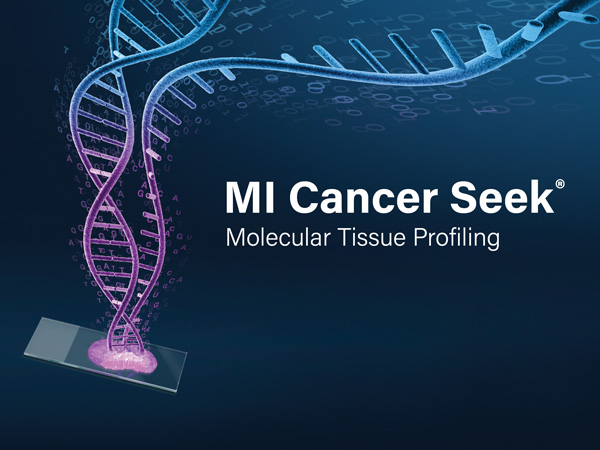
MI Cancer Seek® is the first and only FDA approved NGS-based assay using FFPE tumor tissue that simultaneously analyzes both DNA and RNA (i.e., total nucleic acids) with companion diagnostic testing indications in solid tumors. It is also FDA approved for molecular profiling of solid tumors when used by a qualified healthcare professional following recognized professional guidelines (e.g., NCCN). The assay identifies patients who may benefit from treatment with certain targeted therapies.
Optional add-ons for IHC testing are available, please see intended use to learn more.
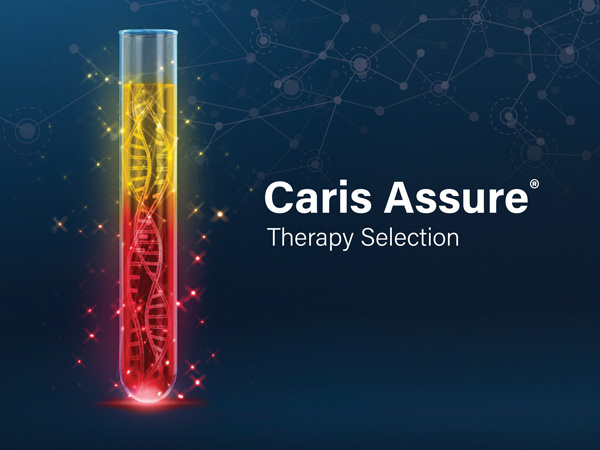
Caris Assure® is an NGS-based test that measures circulating total nucleic acids using plasma and white blood cells from peripheral whole blood. This test is intended for patients with previously diagnosed solid tumors where tissue testing is infeasible and who may benefit from treatment with certain targeted therapies. Unlike many other liquid biopsy platforms, Caris Assure can detect both tumor-derived and incidental germline* variants. It can also filter out clonal hematopoiesis which is unrelated to the tumor and could lead to clinical false positives. These assay characteristics lead to superior liquid biopsy performance.
Caris maintains in-network coverage with most major commercial payers nationwide. Our agreements also include national coverage through Medicare and Medicare Advantage.
200M+
200 million covered lives across the country
100+
We are in-network with over 100+ health plans across the US
12+
12+ State Medicaid plans cover MI Cancer Seek
Payer Resources
- https://pubmed.ncbi.nlm.nih.gov/32914008
- https://jamanetwork.com/journals/jamanetworkopen/fullarticle/2836387
- *Not a replacement for comprehensive germline testing. Incidental pathogenic alterations are reported, including ACMG recognized cancer genes. Negative results do not imply the patient does not harbor a germline mutation.